Design
Plastic won a Red Dot Award. Here is how we designed the app.
Plastic won a Red Dot Award in the Apps category in 2026.
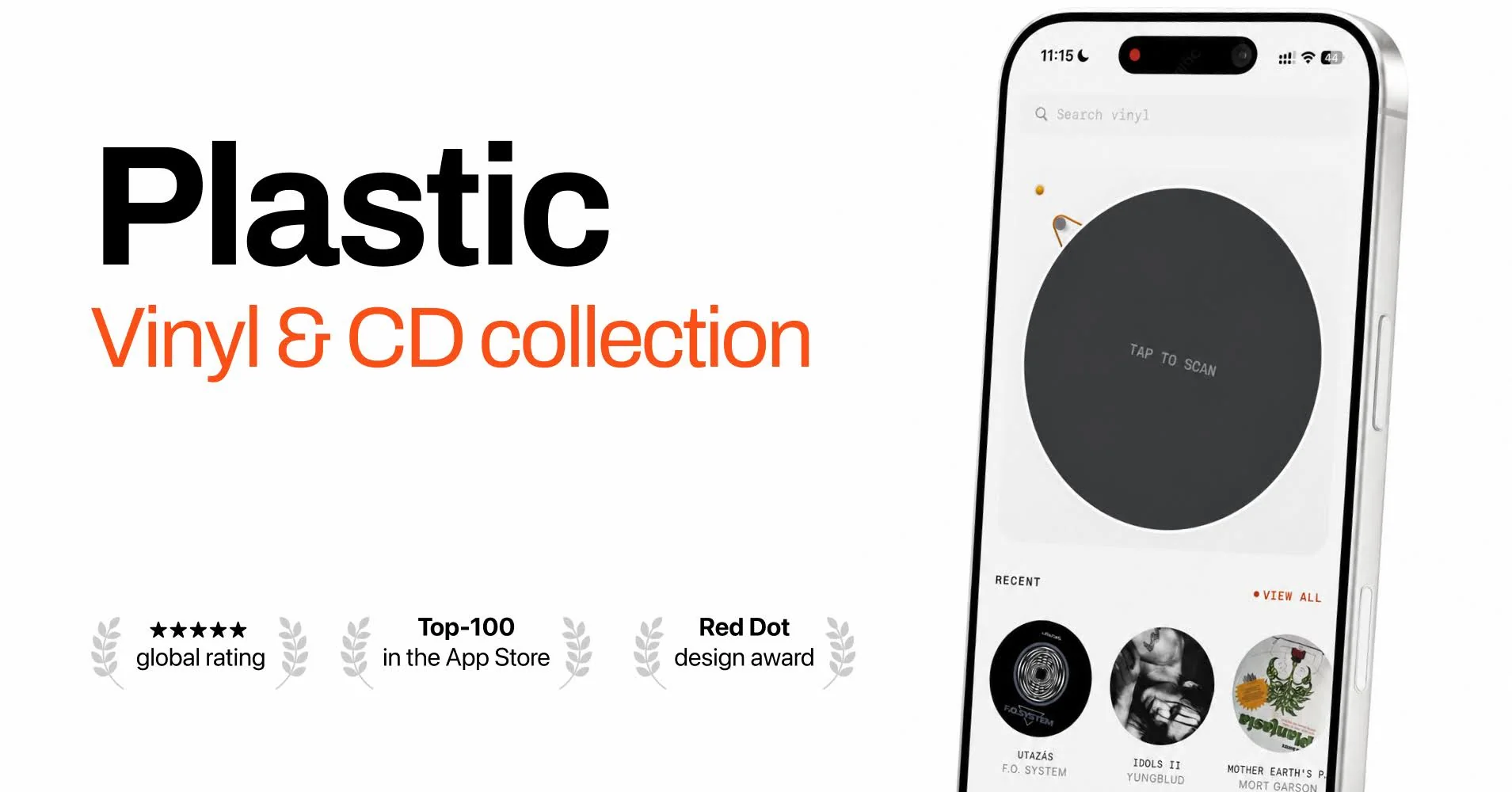
The recognition is part of Red Dot Award: Brands & Communication Design. The winner label licence is here. I wanted to share a little of the work behind it, because much of the design started away from a screen.

It started in record stores
I spent about a year testing prototypes in record stores before releasing Plastic. Roughly every week, I brought a new version for collectors to try, watched how they used it and talked with store owners.
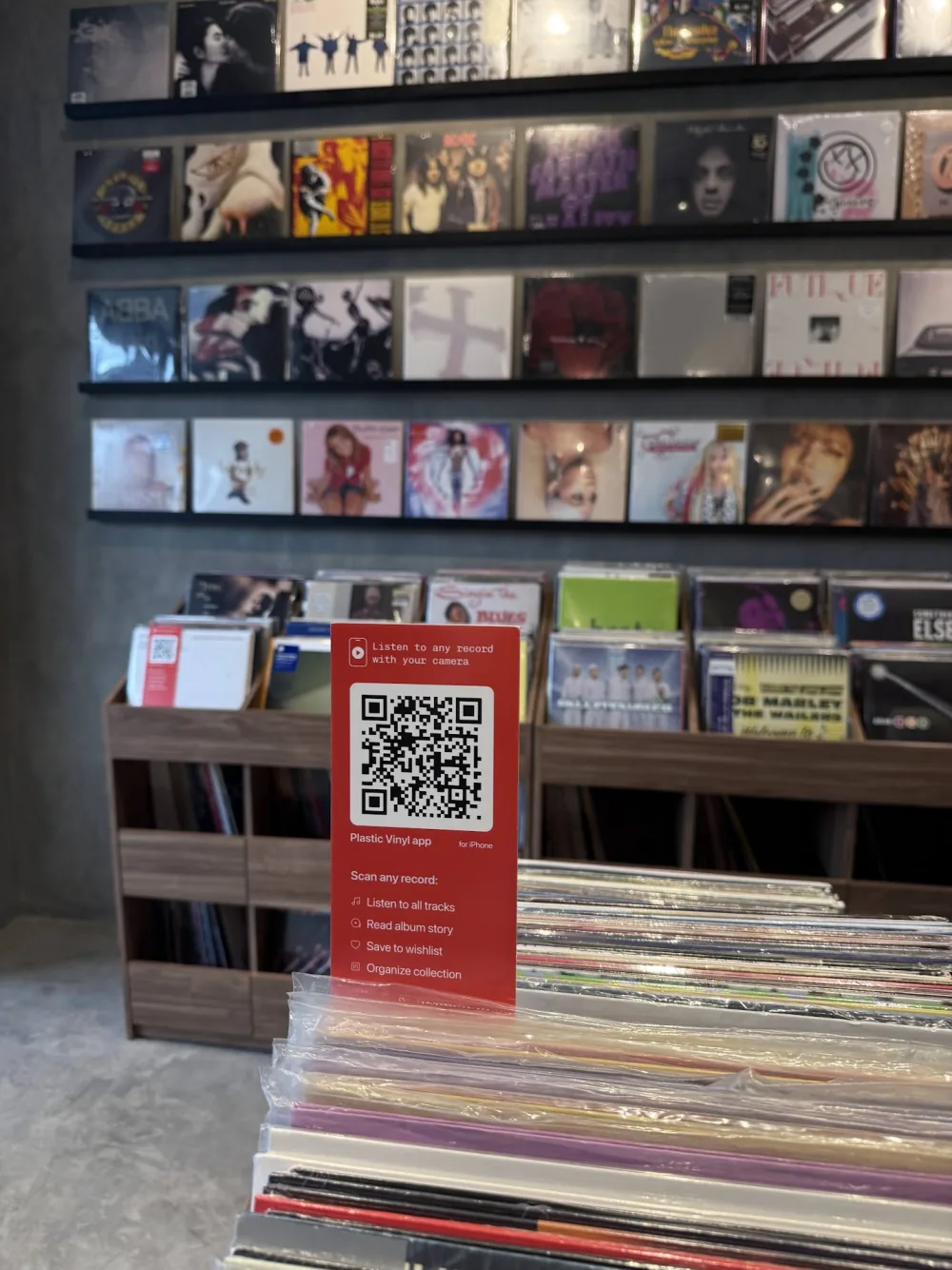
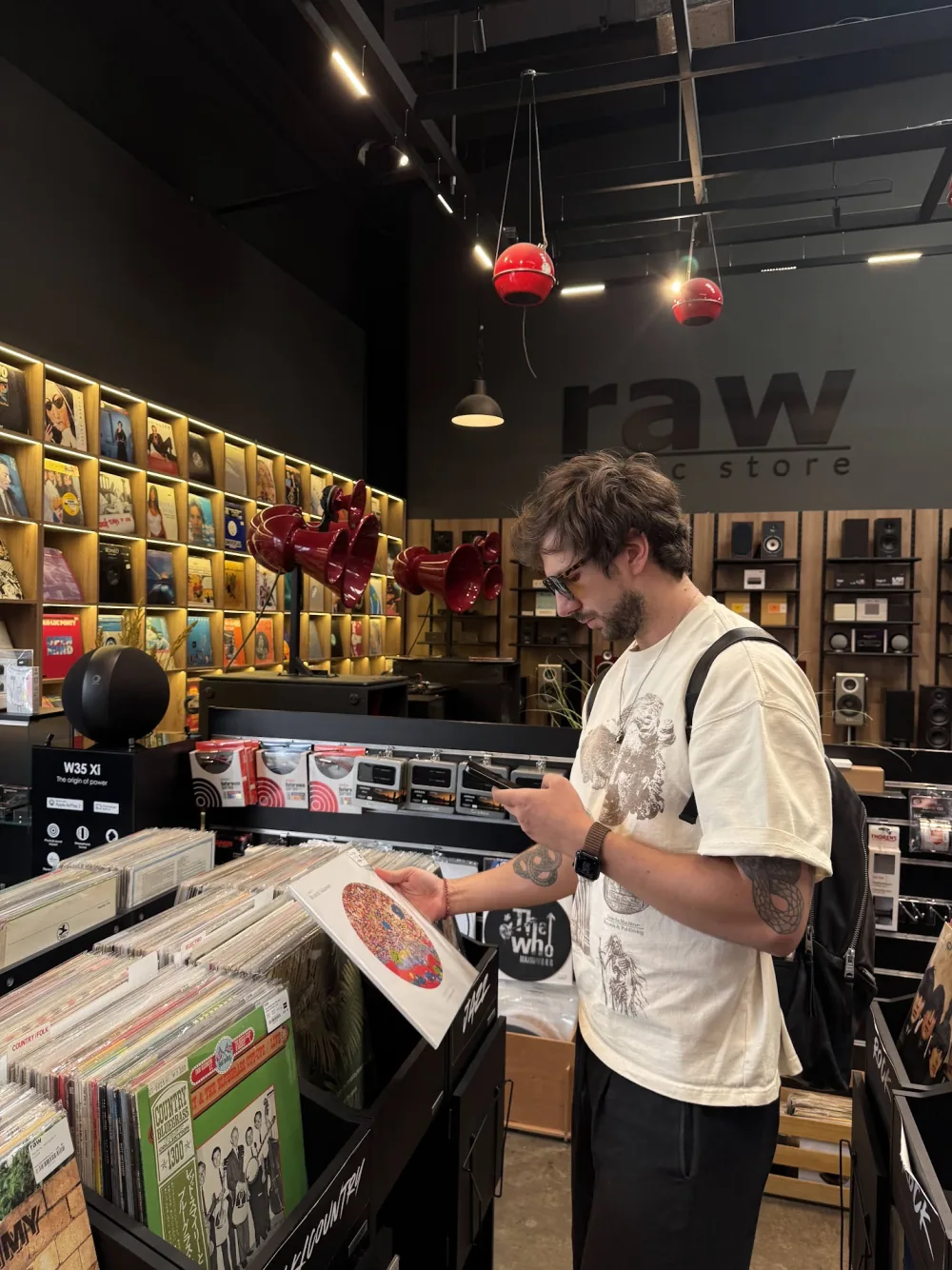
I paid attention to the moment someone reached for their phone. What were they looking for, and where? Sometimes it was a tracklist or information about a pressing. Sometimes it was an artist's discography, or their own notes on a record they already owned. Those conversations helped me decide what Plastic needed to do.
If an idea worked in the shop, I kept it and rebuilt it properly later. If it didn't, I discarded it. The prototypes were there to test the flow, not to become the finished app unchanged.
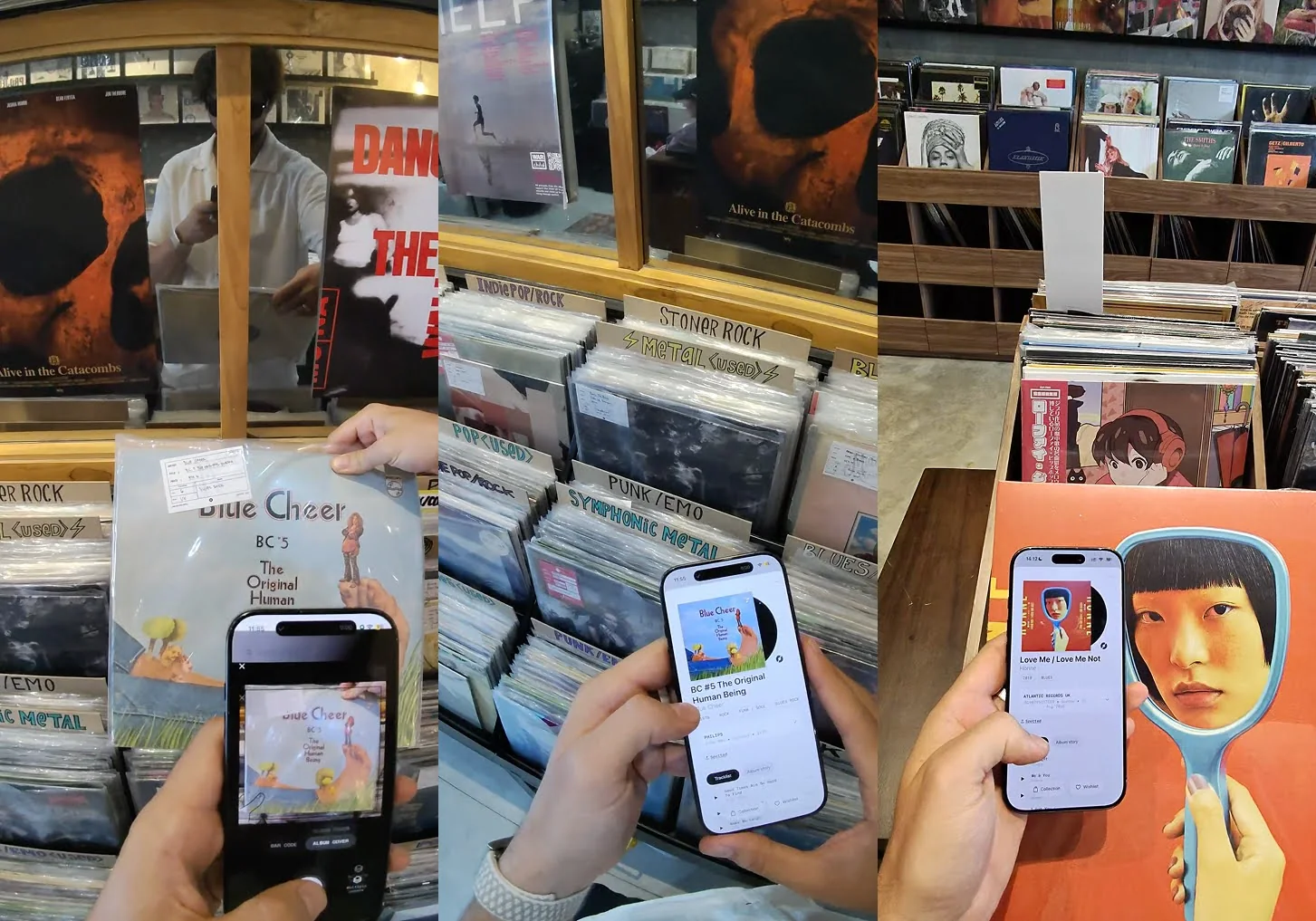
I wanted Plastic to keep those things close together. Take a photo of the cover and open the album. Hear what is available. Check the copy. Save it if you want to.
You can see that flow in this short video about Plastic. The movements are easier to understand when you see them around a real record.
Make the music easy to reach
The tracklist was an important part of this. A title tells you very little about how a record sounds. Even knowing the genre may leave you guessing.
Plastic searches for a playable source for individual tracks. That can be an audio snippet or a YouTube video. When a video matches, it belongs beside that track in the list. You can choose the song you are curious about without working through a separate set of album links.
Availability varies by record and provider. Some tracks have no preview or suitable video. They still belong in the tracklist. Where playback is available, it should be close to the title you just read.
The Album Story sits in the same part of the page. You can find out who made the record and read some context while you listen. Looking something up does not add it to your collection. You may listen to a track and put the record back. That is a useful outcome too.
Let the record lead the interface
When you scan a vinyl cover, the image becomes a record that spins while the search runs. When the album opens, the disc sits behind the sleeve. Those movements connect the thing in your hand with the thing on the screen. They also show that something is happening.
I wanted the physical format to carry through the app. Vinyl has its sleeve and disc. CDs have a CD and case. Cassettes have their own proportions and packaging. If you collect all three, you should be able to see what you are looking at before reading a format label.
The same care went into moving around. Pinch the collection grid to see more covers or give each one more room. Open an album and swipe through the records in the view you came from. The order and filters stay with you, so you can keep browsing a folder without returning to the grid after each record.
The interface has changed since those early prototypes, but the principles have stayed: keep the analogue feel, put essential actions in view and leave secondary details one tap away. The records and your collection should hold your attention.
Show the detail when you need it
Of course, a collector sometimes needs to look very closely. Two copies of an album may look almost identical from the front. The difference may be a catalogue number, a label design or an inscription near the centre of the vinyl.
That is why Plastic separates the album from the Version details. The main album tab holds the music and its story. The Version tab is where you inspect the physical release.
In the pressing picker, imagery gives you a way to start comparing. Open a candidate to see more photos and identifiers. Zoom into a label. Narrow the choices with filters when there are too many similar versions to work through.
For vinyl, you can also type a matrix number or another readable part of the runout into Dead wax search. Barcode scans and direct release matches can identify specific pressings. When editions share a barcode or artwork, those details help you choose your copy.
Those controls matter when you are checking an edition. They do not all need to compete for attention when you only want to hear the second track.
File things the way collectors do
At home, the questions change. You know the records are yours. You need to find them and keep them in an order that makes sense to you.
Sorting sounds like a small part of design until an app files everything somewhere you would never look. Surname sorting should put David Bowie under B. A group needs to keep its name, and a leading “The” should not send all those bands to the same corner of the collection.
Release years need similar care. If an album came out in 1973 and you bought a 2024 reissue, sorting the music by year should let it sit in 1973. Plastic offers original release year sorting while keeping the pressing year in the version details. You can browse the history of the music without losing the history of your copy.
And if you have already done the work of cataloguing on Discogs, you can bring that collection into Plastic. Two-way sync keeps linked records connected, along with folders and supported personal fields. This guide explains the details. The time you spent organising the collection should carry over.
Keep discovering after the collection is in
A shelf has more to offer than a count of what is on it.
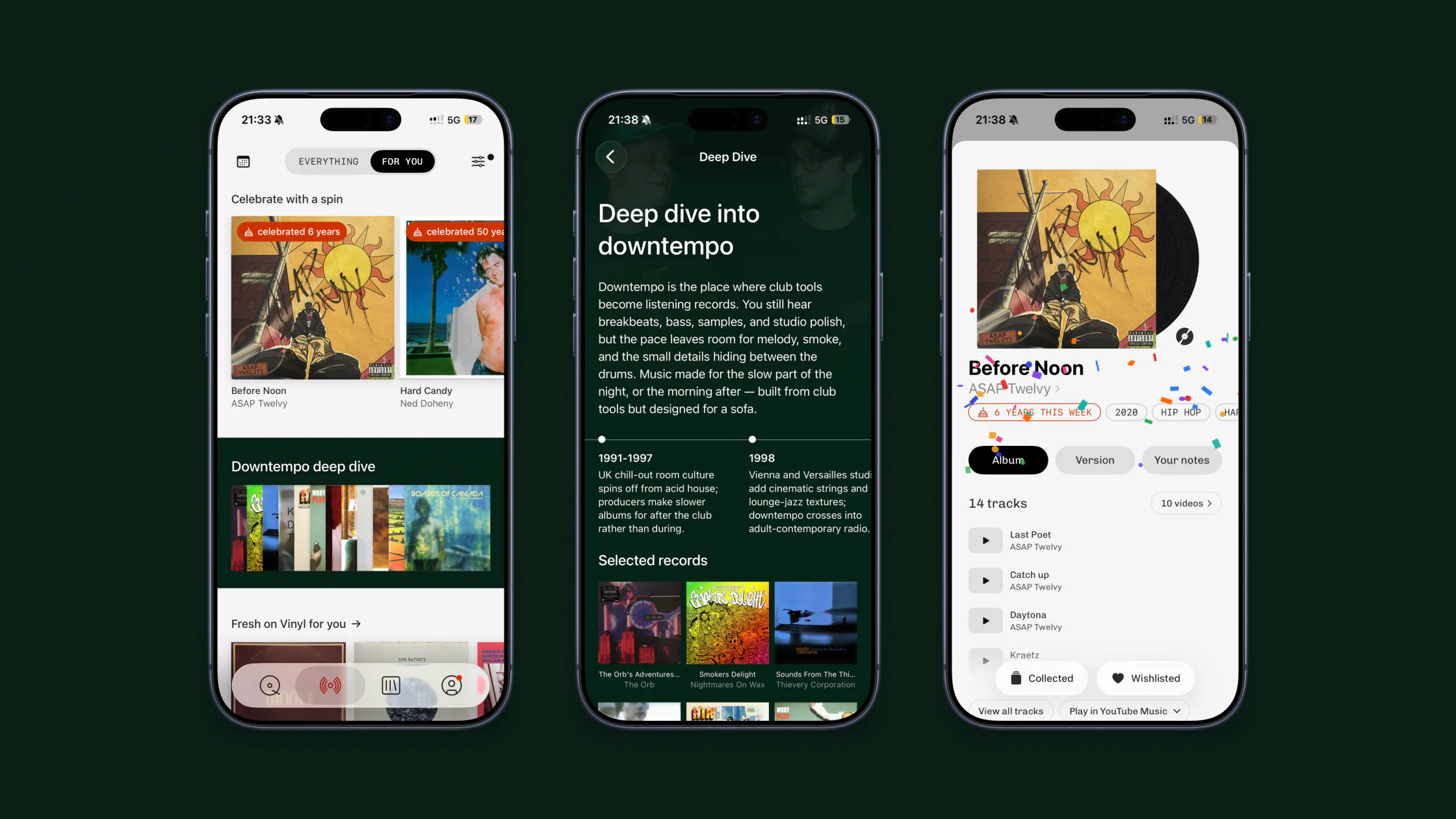
Radar takes the genres and styles in your collection as a starting point for new releases. The For You selection uses those connections to help narrow what you see. Your own choices give it some direction.
Sometimes you want to go further into something unfamiliar. Deep Dives introduce a genre through records and the history around them. You can follow the music with enough context to understand how it developed. On an album page, Similar Vibe offers related records to explore from that particular starting point.
There is also a reason to return to something you already own. Album anniversaries bring those records back into view. Seeing that an album came out on this date can be enough to pull it from the shelf that evening.
What the award means to me
After the store prototypes, I ran a two-month beta with more than a hundred collectors. I kept individual feedback chats with testers, where they could flag things they noticed and I could share changes. That back-and-forth helped refine the small details before release.
It is good to see this work recognised. I also pay attention when a collector describes Plastic as intuitive or satisfying to use. Comments like that have appeared in the Reddit discussion about the app, and they mean a lot after so much attention to small interactions.
I still think about that person in the shop, holding a record they have never heard. I want them to find a track, listen for a moment and decide for themselves. Then put the phone away and keep looking through the crate.